Why do so many Palm Trail homes attract cash offers? If you have been eyeing this walkable coastal pocket near Atlantic Avenue, you have likely seen properties go under contract quickly with clean, all-cash terms. It can feel intimidating when you plan to finance. The good news: you can still win if you understand why cash is common here and how to shape a competitive strategy. Let’s dive in.
Palm Trail at a glance
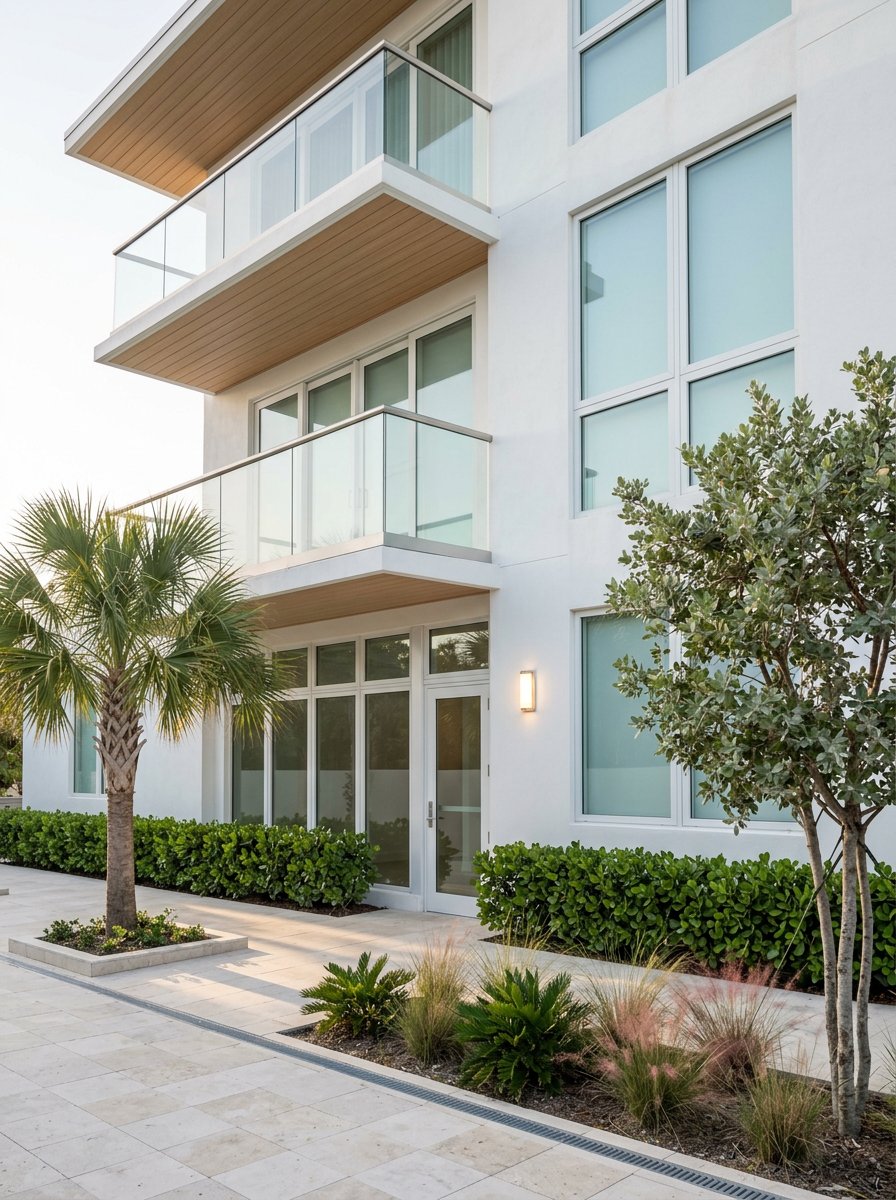
Palm Trail sits close to the beach and Atlantic Avenue’s dining, shopping, and entertainment. The area mixes condos with small-footprint single-family and attached homes, including many seasonal and lock-and-leave options. Demand is lifestyle-driven, and activity often rises from fall through spring. With limited inventory on the most desirable blocks, competition rewards buyers who can deliver certainty and speed.
These dynamics attract second-home, investor, and move-up buyers who often have liquidity. Many can purchase without a mortgage, which reduces risk for sellers. That is a key reason you see a higher share of cash in this micro-market.
Why cash is so common
Buyer-side drivers
- Second-home and seasonal buyers prioritize convenience, speed, and simplicity.
- Investors and 1031 exchange buyers often redeploy proceeds and prefer quick closings.
- High-net-worth move-up buyers may use equity or savings to compete without financing.
Property and condo factors
- Condo lending rules can be strict. Buildings with high investor occupancy, low reserves, or pending issues may not meet lender guidelines, so sellers favor cash.
- Short-term or seasonal rental positioning can create additional lender caution.
- Older or non-standard buildings sometimes fall outside conventional underwriting.
Market structure and speed
- Low inventory creates multiple-offer situations where financing contingencies add uncertainty.
- Sellers value certainty of closing and faster timelines, especially when they are coordinating another purchase.
- Cash reduces the chance of appraisal delays or appraisal-related renegotiation.
How cash shifts negotiation
What sellers value in cash
- Certainty: No mortgage underwriting means less risk of denial.
- Speed: Closings can occur in days or a few weeks, after title and logistics.
- Simplicity: Fewer lender-required repairs and fewer steps to completion.
Typical contract differences
- Shorter inspection and closing windows.
- Lower or waived financing and appraisal contingencies.
- Higher or more secure earnest-money deposits.
- Fewer post-inspection renegotiations.
Price and terms outcomes
- Cash often wins in multiple offers. Sellers may accept a slightly lower price in exchange for certainty.
- Seller concessions are less common, and possession can be quicker.
Buyer tradeoffs to weigh
- Waiving or shortening contingencies increases risk if issues surface later.
- Paying all cash ties up liquidity you might want for investments or reserves.
- Buying in an entity or LLC can complicate future financing and insurance.
If you need financing, how to compete
You can counter the advantages of cash by removing uncertainty. The goal is to present the cleanest, most reliable financed offer possible.
Prepare before you offer
- Get pre-underwritten approval: Ask your lender for a full or conditional approval based on verified income and assets. A standard pre-approval letter is useful, but pre-underwriting is stronger.
- Organize proof of funds: Gather bank or asset statements, documentation of sale proceeds, and explanations for large deposits.
- Build a competitive package: Shorten your financing contingency, offer a strong earnest deposit, and consider a well-structured escalation clause if local practice allows.
- Secure a rate lock: A current rate lock or lender commitment letter signals readiness and reduces last-minute hesitation.
Alternative financing and liquidity tactics
- Bridge loan or HELOC: Use equity in your current home to move fast, then refinance after you sell.
- Confirm condo eligibility early: If you are targeting a condo, have your lender pre-check the association’s eligibility and request documents early.
- Appraisal-gap planning: Offer to cover a defined appraisal shortfall with cash up to a set amount.
- Increase down payment: A larger down payment can offset seller concerns about financing.
- Thoughtful sale contingencies: If you need to sell, shorten timelines, consider a rent-back to the seller, and increase deposits to show commitment.
Negotiation tactics that help
- Offer flexible closing and occupancy so the seller can time their move.
- Limit repair requests and favor modest credits for minor items.
- Consider covering reasonable seller costs in exchange for acceptance or pricing.
- Work with a local buyer’s agent who knows the buildings, listing agents, and condo nuances.
Manage risk and stay protected
- Do not waive inspection without independent evaluation. If you shorten inspection, consider a pre-offer or walk-and-talk review.
- Engage the title company early to surface liens or restrictions.
- Consult legal counsel on non-refundable deposits and condo-specific contract terms.
- Set a personal cutoff for price and keep reserves for insurance and repairs.
Quick checklist for financed buyers
- Request full pre-underwriting from your lender.
- Collect recent bank and asset statements and sale-proceeds documents.
- Ask for a written rate lock and commitment timeline.
- Pre-check condo eligibility with the lender if applicable.
- Decide on your appraisal-gap coverage number.
- Prepare a strong earnest deposit and shorter contingency dates.
- Line up an inspector and title company for quick turnarounds.
Cash vs financed: what to expect
| Factor | Cash Offer | Financed Offer |
|---|---|---|
| Speed to close | Fast once title clears | Dependent on underwriting and appraisal |
| Contingencies | Often minimal | Financing and appraisal are common |
| Appraisal impact | Not required by lender | Can affect price and timing |
| Seller concessions | Less common | More common in slower markets |
| Risk to buyer | Less leverage for repairs; liquidity tied up | More steps but preserves liquidity |
| Competitive edge | High in multiple offers | High if pre-underwritten and clean |
Work with a local team you trust
In Palm Trail, preparation and presentation win. A well-structured financed offer can rival cash when it shows certainty, clarity, and speed. You also benefit from local expertise on condo eligibility, seasonal patterns, and which terms matter most to each seller.
If you are getting ready to buy, we can help you align lender readiness, timeline, and strategy. Bring your proof of funds, pre-approval, and any details on a pending sale to a no-pressure planning session. Connect with Lorna Wellington & Yvonne Skovron to map your path and compete with confidence.
FAQs
Why do Palm Trail sellers prefer cash offers?
- Cash reduces financing risk, shortens timelines, and simplifies the contract, which is appealing in a low-inventory, high-demand micro-market.
How can a financed buyer compete with cash in Palm Trail?
- Get pre-underwritten, shorten contingencies, offer a strong deposit, consider an appraisal-gap, and present flexible closing and occupancy terms.
What documents make my financed offer stronger?
- Full lender pre-underwriting, a current rate lock or commitment letter, recent proof of funds, and condo eligibility confirmation if you are buying a condo.
Are there condo-specific hurdles near Atlantic Avenue?
- Some buildings face lending restrictions due to reserves, occupancy mix, or pending issues, so pre-checking condo eligibility with your lender is smart.
Is it safe to waive appraisal or inspection contingencies?
- Waiving increases risk; if you shorten these, use a defined appraisal-gap plan and at least get an independent inspection or limited pre-offer review.
Can a bridge loan or HELOC help me compete?
- Yes. Bridge financing or a HELOC can provide short-term liquidity to close quickly, then you can refinance after selling your current home.
How much earnest money or appraisal-gap coverage is typical?
- It varies by property and season. Decide your comfort level with your agent and lender, and set a clear maximum before you offer.