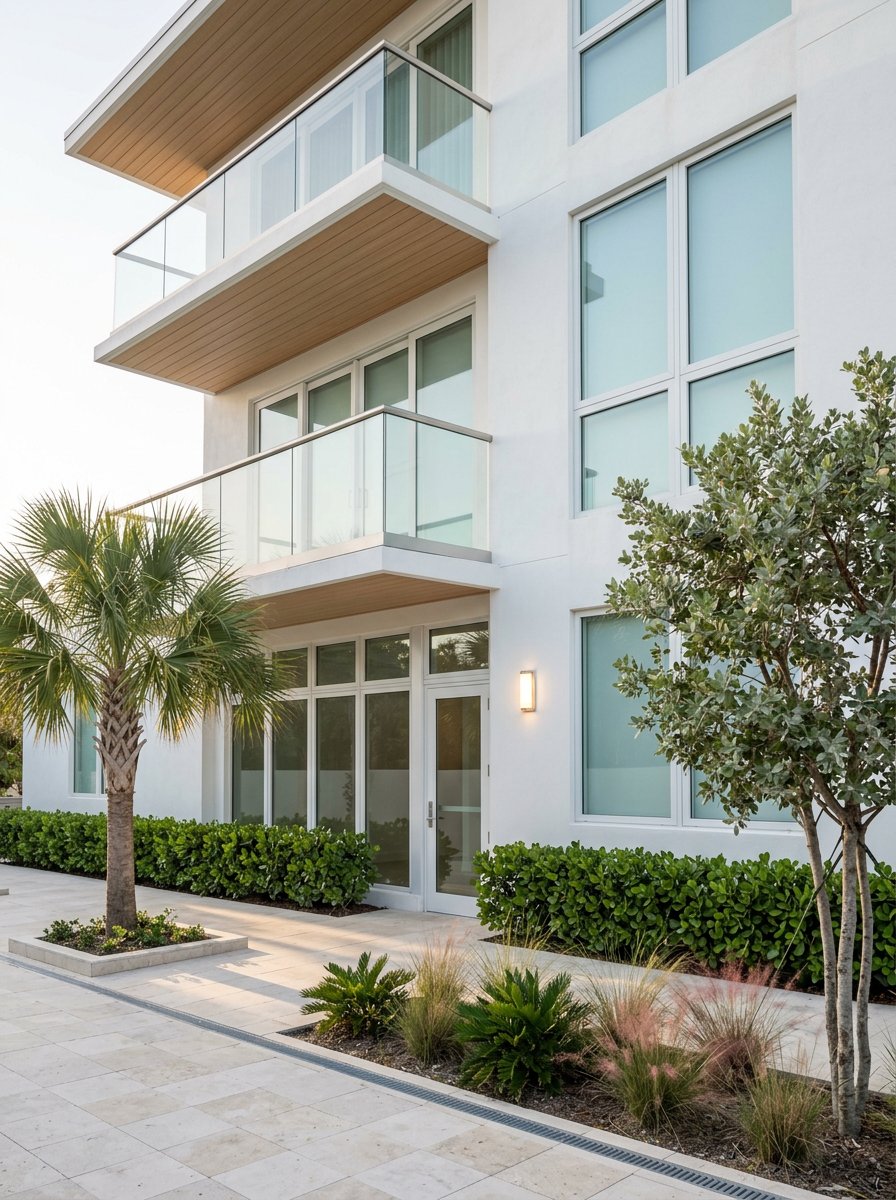
Trying to choose between a single-family home, a townhome, or a boutique condo in Ocean Ridge? With stunning beaches on one side and the Intracoastal on the other, this small island town offers three very different ways to live by the water. You want a place that fits your lifestyle, budget, and appetite for maintenance. This guide breaks down the tradeoffs, insurance and flood factors, HOA considerations, and a step-by-step due diligence checklist tailored to Ocean Ridge. Let’s dive in.
Ocean Ridge at a glance
Ocean Ridge is a quiet, low-density barrier-island town along A1A between Boynton Beach and Delray Beach. The community intentionally maintains a peaceful, residential feel with limited commercial development. You will find beach access, bikeable streets, and a close connection to the water. For a brief local history and character overview, see this summary from the Historical Society of Palm Beach County’s education site on the town’s residential character and origins.
The market is high-value and low-inventory. Pricing varies by waterfront location, view, and building type, with many properties trading at premium levels. For the latest rules and permitting guidance, start with the Town’s Building & Zoning resources. The Town also discusses coastal resilience and shoreline projects on its site, which is useful context when you plan improvements or time a renovation.
Single-family coastal homes
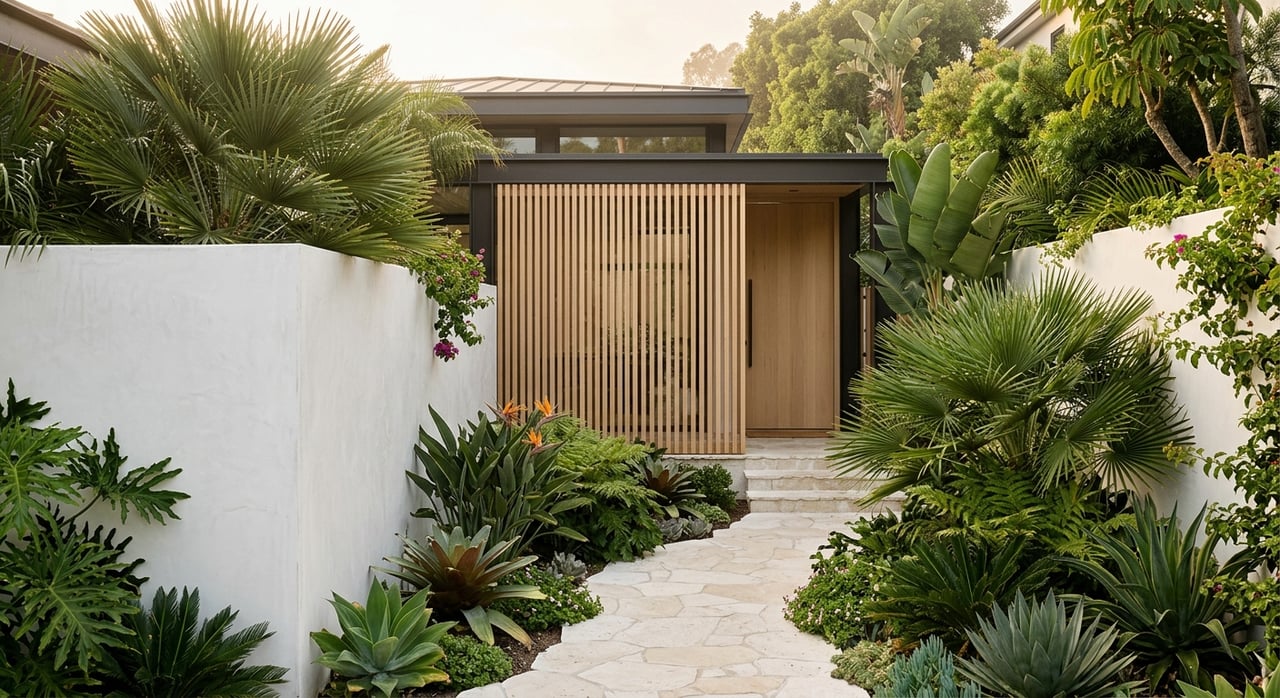
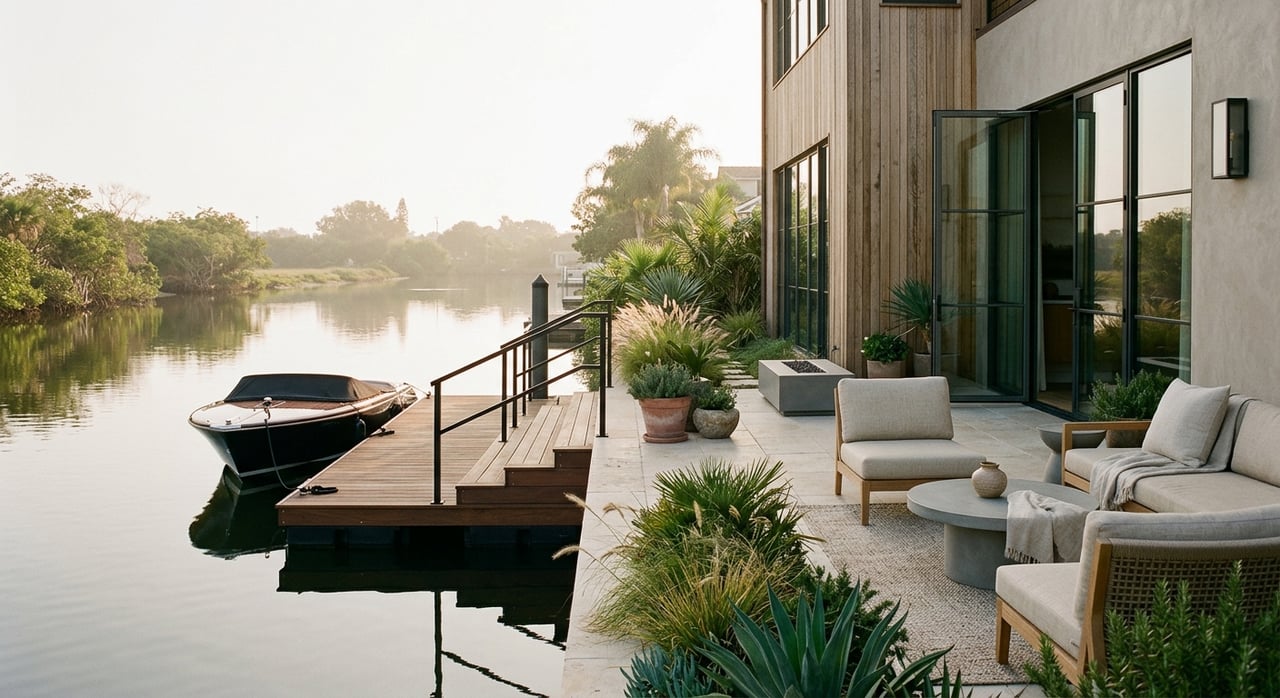
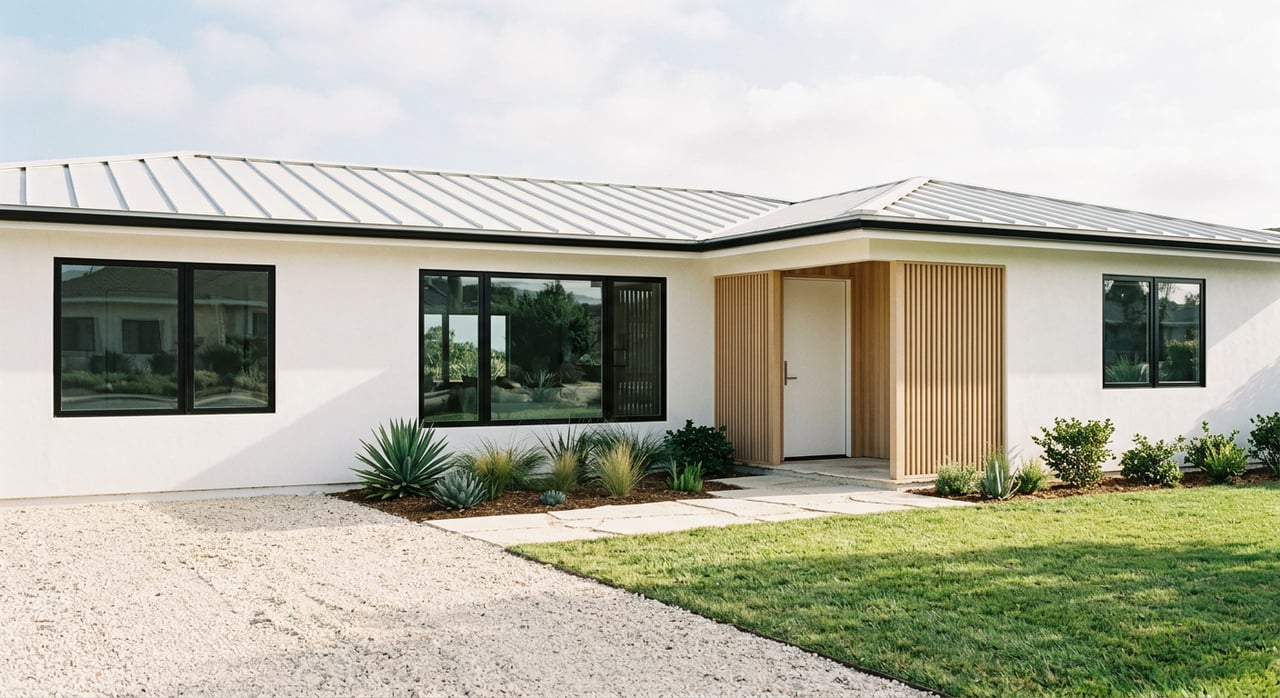
Single-family homes in Ocean Ridge usually sit along Old Ocean Boulevard/A1A with beach access or along Intracoastal canals with private docks. Many have pools, landscaped yards, and the space and privacy that come with a standalone property. Supply is limited, and you will see a mix of renovated homes and newer builds that reflect modern coastal standards.
What you maintain
With a detached home, you are responsible for the entire parcel. That includes the roof, exterior finishes, landscaping, pool, and any seawall or dock on waterfront lots. You handle storm prep, such as shutters and tie-downs, and you approve and manage big-ticket capital work. Also confirm whether the property uses septic or is connected to a sewer solution. The Town’s Building & Zoning page is the best place to review local service standards and permits.
Insurance and flood notes
Many single-family parcels sit in FEMA Special Flood Hazard Areas. Lenders often require flood insurance, and wind coverage can be a major line item. Order quotes early and request the property’s Elevation Certificate during your inspection period. You can confirm your flood zone on the FEMA Flood Map Service Center and use that to compare insurance options.
Best fit
- You want maximum privacy and outdoor space.
- You value direct beach access or private dockage.
- You are comfortable managing permits, contractors, and ongoing maintenance.
Smart questions to ask
- Who maintains the seawall and dock, and what recent inspections or permits exist?
- What is the base flood elevation, and is there a current Elevation Certificate?
- Is the home on septic or a sewer solution, and what are the service records?
- When were the roof, pool systems, and seawall last replaced or serviced?
Townhomes
Townhomes cluster in small, often gated communities near the Intracoastal. Many offer shared docks or a marina, resort-style pools, and common landscaping. If you like boating but prefer shared maintenance, this setup can be ideal. A representative example is Ocean Ridge Yacht Club, which features marina access and walkable beach proximity.
What you maintain
Most associations handle exterior care, roofs, and common areas. You are usually responsible for interior systems and finishes. HOA dues vary by amenities and coverage, especially where dockage and marina operations are included. Always confirm the exact inclusions in the CC&Rs and budget.
Insurance and flood notes
Townhome owners still carry a homeowners policy for interiors and personal property. The association’s master policy may cover the building structure and common grounds. If the community sits in a Special Flood Hazard Area, your lender may still require flood insurance even when the association insures much of the building. Ask for the master policy, recent renewals, and deductibles, and cross-check your flood zone on the FEMA Flood Map Service Center.
Best fit
- You want a lock-and-leave lifestyle with boating or beach access.
- You prefer HOA-managed exterior maintenance.
- You are comfortable with community rules and governance.
Smart questions to ask
- What exactly do HOA dues include, and how strong are reserves?
- How are docks assigned or managed, and what are the slip rules?
- Are there planned capital projects or special assessments?
Boutique condos and co-ops
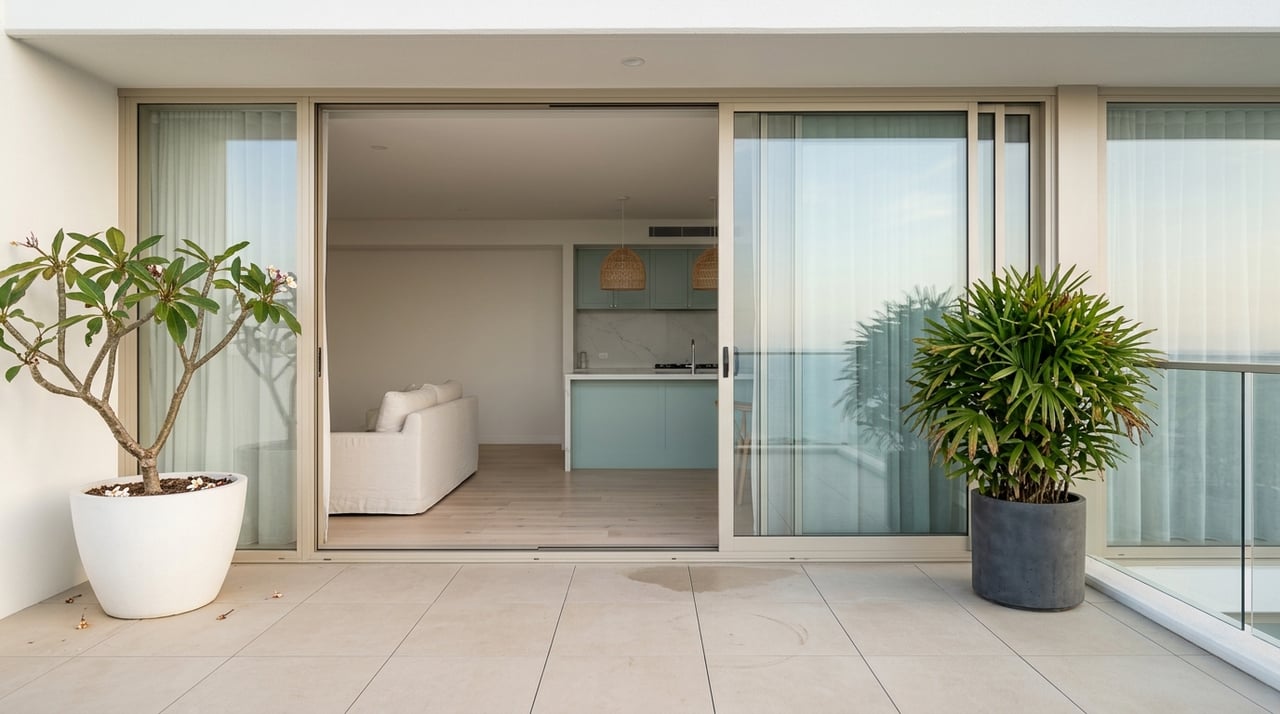
Boutique condo and co-op buildings dot the east side of A1A near the beach. These low-rise communities often date to the mid-century and have been updated over time. They focus on low-maintenance living with shared beach access, a pool, and common areas. Some are cooperatives, such as Colonial Ridge Club, where residents typically buy shares and hold a proprietary lease rather than a deed.
Ownership and financing notes
Condo buyers receive a deed and typically access conventional financing. Co-op buyers purchase shares and may face different financing and board processes. Governance, rental policies, and resale timelines can vary. Review all association documents to understand rules on renovations, leasing, and guest policies.
SB-4D milestone inspections
Florida’s SB-4D requires milestone structural inspections and structural reserve studies for many coastal condo and co-op buildings based on age and height. This is a key diligence item because inspection findings can lead to repair projects and special assessments. The Town references SB-4D and reporting on its Building & Zoning page. Ask for the building’s latest inspection reports and reserve study before you finalize terms.
Best fit
- You want minimal daily maintenance and easy beach access.
- You value amenities and are comfortable with association rules.
- You want a simpler lock-and-leave setup with fewer direct structural responsibilities.
Smart questions to ask
- Has the building completed SB-4D milestone inspections and a current reserve study?
- What do monthly common charges cover, and how are reserves funded?
- What are the rental rules and board approval timelines?
Key tradeoffs to weigh
- Maintenance: Single-family owners carry full responsibility for roofs, exteriors, pools, landscaping, and marine structures. Townhomes shift much of that to an HOA. Condos and co-ops minimize day-to-day chores but can face building-wide capital projects and assessments.
- Privacy vs community: Single-family delivers the most privacy and yard space. Townhomes and condos trade private space for shared amenities and simplified upkeep.
- Insurance and flood risk: Many parcels fall within FEMA Special Flood Hazard Areas. Use the FEMA Flood Map Service Center to confirm zones and compare NFIP and private quotes. Risk Rating 2.0 means pricing is property-specific, so start early.
- Docks and seawalls: Waterfront single-family owners usually handle private dock and seawall upkeep. Permits and marine work add cost and timelines. Before you buy, search records with the Town and Palm Beach County’s Environmental Resources Management and consider a marine engineer’s review.
- Rentals and income: Ocean Ridge requires rental registration and prohibits rentals under 30 days. Associations may be stricter. See the Town’s rental registration form and rule summary and check building documents before you underwrite income.
Ocean Ridge buyer due-diligence checklist
Use this quick checklist to move confidently from search to contract.
- Confirm the flood zone. Pull the property’s entry on the FEMA Flood Map Service Center and request an Elevation Certificate from the seller or Town records.
- Get insurance quotes early. Compare homeowners, wind, and at least one NFIP and one private flood quote. Use FEMA’s overview of flood maps and resources to understand coverage basics.
- Review association documents. Request CC&Rs, bylaws, insurance declarations, reserve studies, recent meeting minutes, and special assessment history. For co-ops, confirm proprietary lease terms and lender acceptance.
- Verify dock and seawall status. For waterfront parcels, pull as-built permits and maintenance records from the Town and Palm Beach County’s Environmental Resources Management. Order a marine/dock survey and confirm riparian rights.
- Confirm SB-4D compliance. For condos and co-ops, request milestone inspection reports, the structural integrity reserve study, and any notices of required work from the association or the Town’s Building & Zoning page.
- Check septic or sewer. Ask for service records and permits. The Town’s Building & Zoning resources outline local standards and submittals.
- Walk the area at different times. Confirm the feel and access you want. Remember Ocean Ridge is intentionally quiet, with many dining and shopping options nearby in Delray Beach and Boca Raton.
- For boaters, verify details. Measure controlling depths at low water, confirm permitted dock lengths and lift capacity, and note any no-wake restrictions. Work with a surveyor or marina pro if needed.
- Confirm rental rules. Ocean Ridge requires registration and bans rentals under 30 days. Review the Town’s rental registration form and rules and your building’s policy.
- Collect recent invoices and permits. Request documentation for roof, HVAC, pool, seawall, dock, and major updates, and verify final inspections. Provide these to insurers when quoting.
Which home style fits your goals
- Choose a single-family coastal home if privacy, a yard, and direct water access lead your list and you are prepared for hands-on ownership, higher insurance lines, and marine structure upkeep.
- Choose a townhome if you want boating-friendly amenities or beach proximity with shared exterior maintenance and a defined HOA structure.
- Choose a boutique condo or co-op if you want the lowest daily maintenance and easy lock-and-leave living, and you are comfortable with association rules and SB-4D building-safety compliance.
Ready for tailored guidance?
Ocean Ridge offers three great paths to coastal living. The right choice depends on how you balance privacy, upkeep, insurance, HOA rules, and access to the water. If you want help matching your lifestyle to the right property type, exploring off-market options, or stress-testing insurance and HOA scenarios, connect with us. Schedule a Free Consultation with Lorna Wellington & Yvonne Skovron to start a plan tailored to you.
FAQs
What should single-family buyers in Ocean Ridge budget for ongoing upkeep?
- Plan for roof, exterior, landscaping, pool, and, if waterfront, dock and seawall maintenance, plus storm-readiness costs. Get recent invoices and permits before you finalize terms.
How do HOA fees work in Ocean Ridge townhome communities?
- Dues vary by amenities and coverage. Many include exterior care, roofs, landscaping, and common areas. Ask for CC&Rs, insurance declarations, reserves, and any planned projects or assessments.
What is SB-4D and how does it affect Ocean Ridge condo or co-op buyers?
- SB-4D requires structural milestone inspections and reserve studies for many coastal buildings by age and height. Review reports and reserves, as findings can lead to repair projects and assessments.
Do Ocean Ridge properties require flood insurance, and how do I check my zone?
- Lenders typically require flood insurance if the property is in a FEMA Special Flood Hazard Area. Confirm your zone and request the Elevation Certificate using the FEMA Flood Map Service Center.
Can I rent my Ocean Ridge property for short stays?
- The Town requires rental registration and prohibits rentals under 30 days. Associations may add stricter rules, so verify both the municipal and building policies before buying.
What should boat owners verify before buying a waterfront home in Ocean Ridge?
- Pull dock and seawall permits, order a marine structural review, confirm controlling depths and lift capacity, and review any no-wake rules. Check permit records with Palm Beach County ERM and the Town.