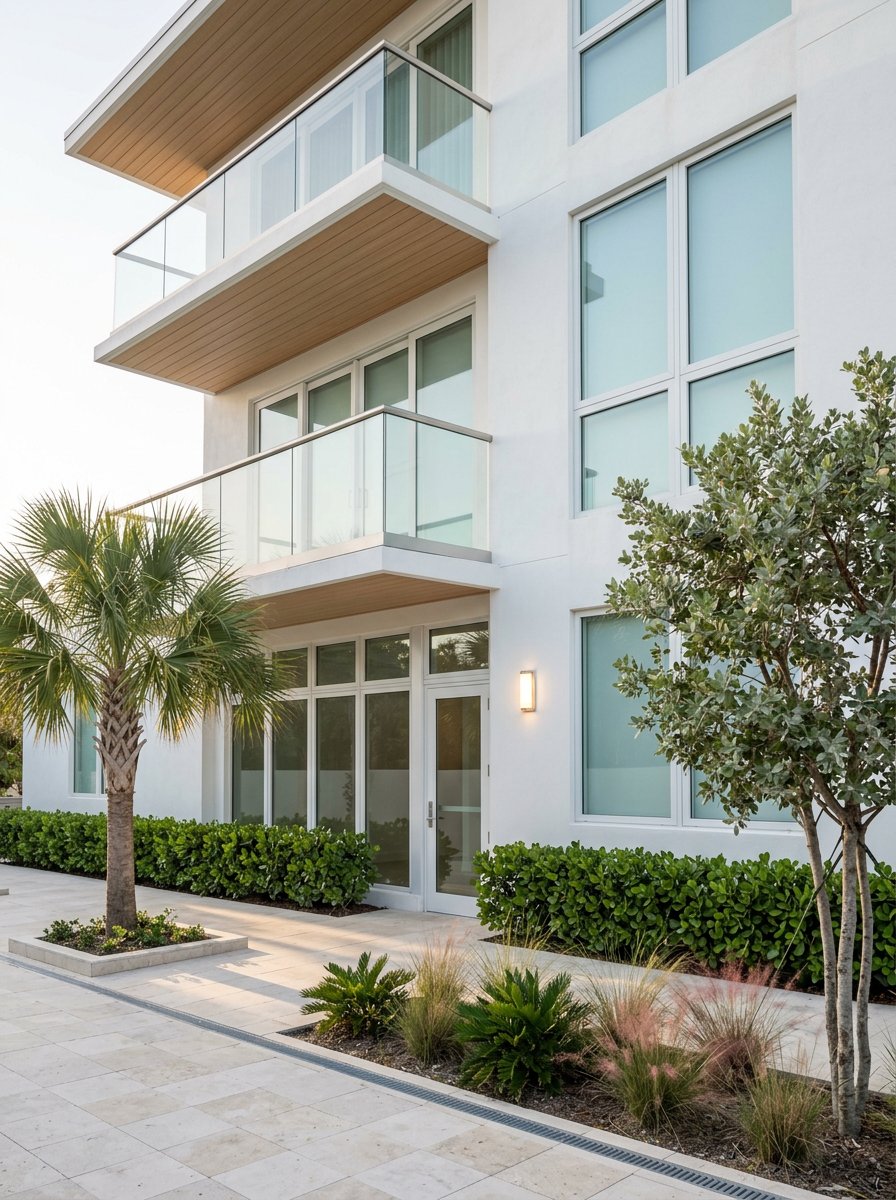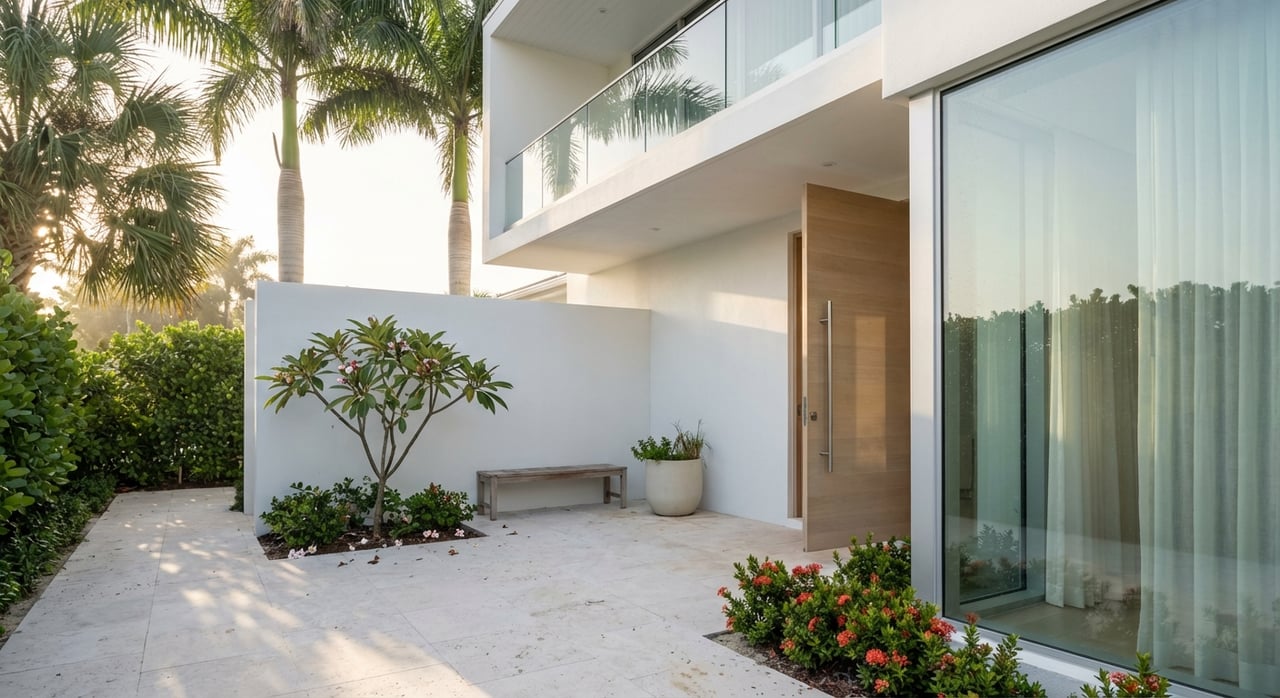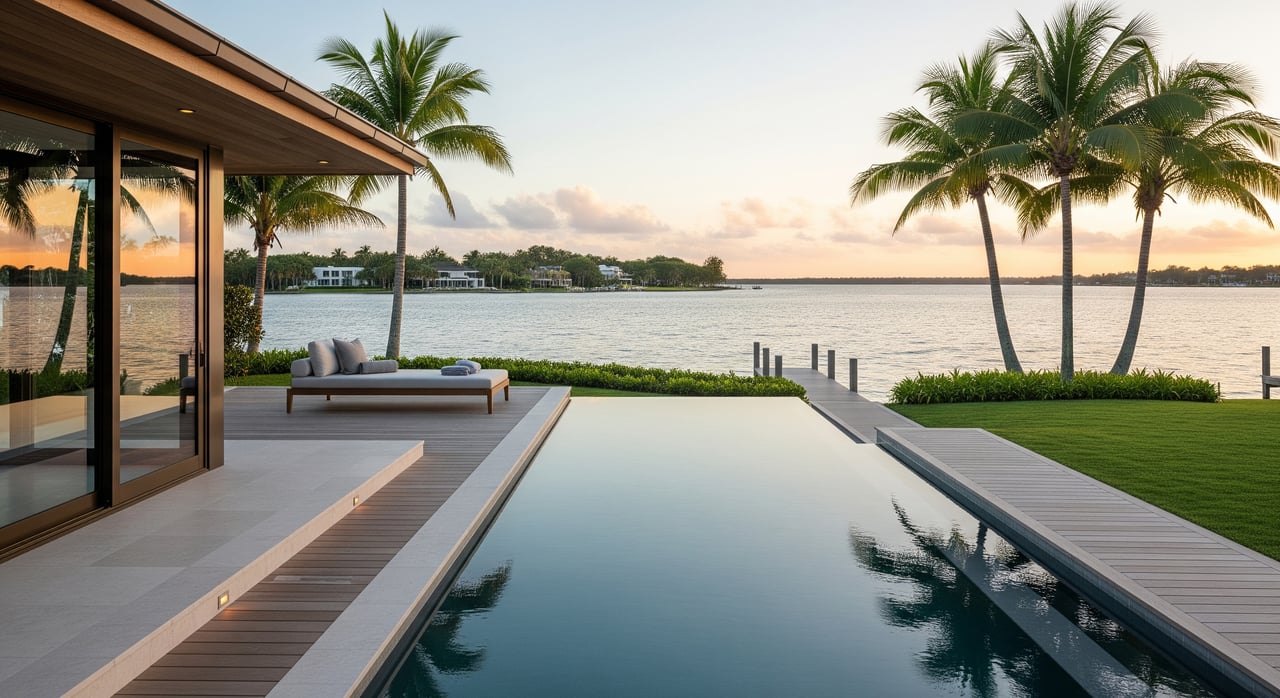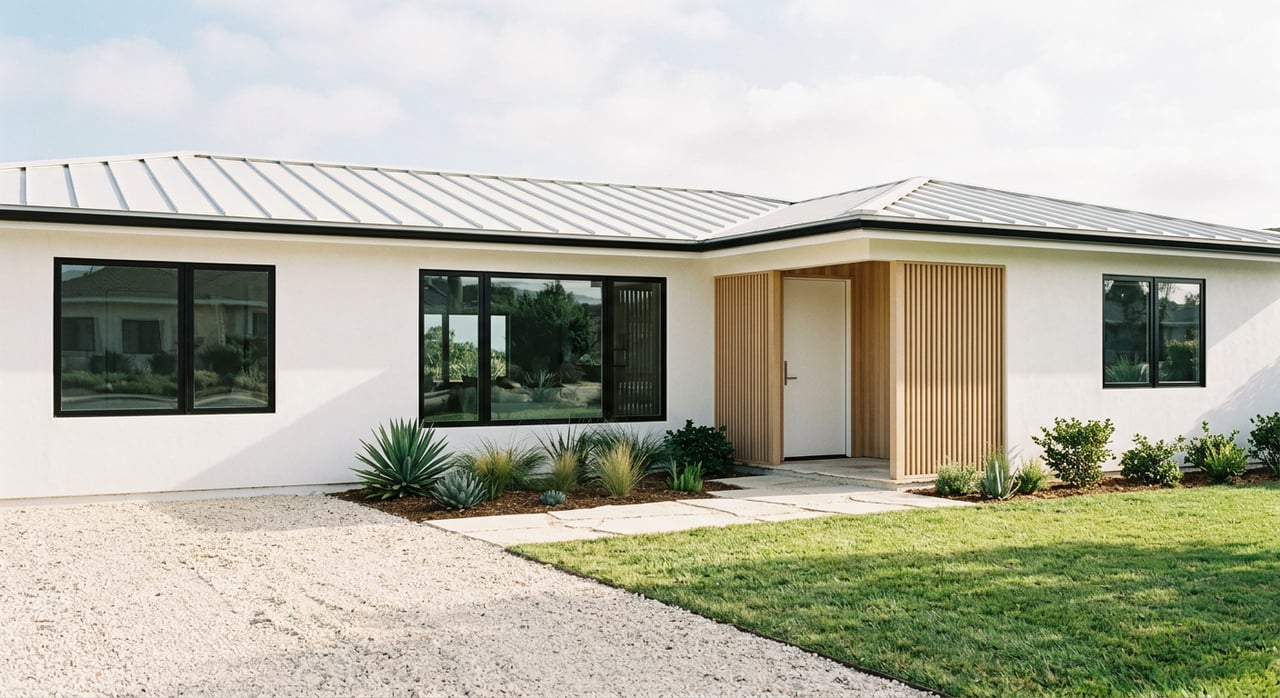
Dreaming of turning a classic Chapel Hill ranch into a bright, breezy modern coastal home? You are not alone. Buyers across Palm Beach County love open plans, indoor to outdoor flow, and low‑maintenance finishes that look great in photos and live well in our climate. In this guide, you will find design moves, materials, and permitting essentials tailored to 33435, so you can plan a remodel that feels fresh, functions beautifully, and shows at a luxury level. Let’s dive in.
Why Chapel Hill fits modern coastal
Chapel Hill sits in East Boynton Beach within 33435. It is an established, mostly non‑HOA neighborhood known for mid‑century ranches, renovation opportunities, and newer infill homes. That mix makes it ideal for a modern coastal refresh that keeps single‑level livability while adding today’s amenities.
Buyers in South Florida prioritize turn‑key condition, open kitchens, and outdoor living. The National Association of REALTORS notes that home condition and neighborhood quality sit near the top of buyer priorities, which is why smart updates and strategic staging pay off. You can review those insights in the NAR’s 2024 highlights report for context on what resonates with today’s buyers.
- Reference: See buyer preferences in the 2024 NAR Highlights report.
Plan, codes, and flood checks first
Palm Beach County’s coastal setting brings heat, humidity, wind, and potential flood exposure. Before you sketch new openings or order big sliders, confirm the property’s FEMA flood zone and local requirements.
- Flood maps: Start with the City’s overview of Boynton Beach flood hazard areas, then verify the exact address on the FEMA Map Service Center.
- Wind and product approvals: Palm Beach County is a wind‑borne debris region. Exterior doors, windows, and large movable walls require approved products with documentation at permit. Review the county’s product approval procedure PBO‑118 and align your selections early.
- Florida Building Code: Impact or protected openings, design pressures, and energy rules apply. If you are planning bigger glass areas, check fenestration requirements using the FBC’s guidance on window and door performance. See the FBC education resource on fenestration and product approvals.
Quick pre‑design checklist
- Confirm FEMA flood zone and any elevation implications at the address level.
- Verify design wind speed/exposure and opening protection with your design team.
- Identify any load‑bearing walls before reconfiguring the plan.
- Pre‑select impact‑rated systems that carry Florida or Miami‑Dade approvals.
Layout updates that live big
Most Chapel Hill ranches benefit from an open plan. Removing non‑structural walls between kitchen, dining, and living creates a one‑level flow that feels larger and photographs better. Coordinate a structural engineer for any load‑bearing changes and prepare stamped drawings for permits.
When you re‑plan, keep plumbing walls where it makes sense. Preserving key stacks and wet walls can reduce complexity, shorten timelines, and help maintain budget flexibility for premium finishes that buyers notice.
Windows, doors, and shade
Impact‑rated sliders and windows expand views and connect indoor spaces to covered outdoor rooms. Size and placement should be coordinated with your engineer to meet design pressures and to document product approvals at permit. Use deep overhangs or a covered lanai to shield glass from harsh sun and wind while maintaining a seamless indoor to outdoor transition.
- Learn what plan reviewers expect in Palm Beach County with PBO‑118.
- Review FBC performance rules for openings in this fenestration guide.
Materials that love salt and sun
Coastal homes work hard. Choose finishes that resist humidity, UV, and salt air while elevating your look.
- Exterior cladding: Fiber‑cement lap or smooth panel systems, or well‑detailed stucco with a drained assembly, handle hot‑humid exposure better than thin, low‑grade materials. Corrosion‑resistant fasteners and kickout flashing are musts. See material performance in hot and storm‑prone climates in this overview of siding for hot‑humid regions.
- Roofing: Metal or concrete tile paired with correct clip systems and a secondary water barrier improves resilience. For an added premium, consider best practices from Building America and IBHS to strengthen the roof assembly. Explore guidance in PNNL’s Building America library for new home construction details.
- Windows and doors: Select Florida Product‑approved, impact‑rated systems matched to site design pressures. For large pocket or folding walls, document approvals in the permit submittal.
- Hardware and fasteners: Use marine‑grade metals, such as Type 316 stainless, for exterior hardware and areas near salt exposure.
- Interior floors: Large‑format porcelain tile that reads like wood gives you indoor to outdoor continuity and durability. In living areas outside frequent flood zones, consider engineered hardwood or water‑resistant planks rated for high humidity.
A modern coastal palette
Keep the core calm and sunlit. Choose warm whites, soft sand, and pale grays for walls and major surfaces. Layer in sea‑glass greens and soft blues, warm oak tones, and matte or satin brass or black hardware for contrast. Add texture through seagrass, linen, whitewashed wood, and subtle fluted millwork for depth without theme decor.
- For style cues, browse HGTV’s overview of design styles, including coastal.
Landscape that thrives near the coast
Use Florida‑Friendly, salt‑tolerant plants and permeable hardscape so your yard looks lush and handles summer storms. Sea grape, cocoplum, sabal palm, muhly grasses, and native groundcovers are strong starting points. Drip irrigation and a simple rain sensor reduce water waste and maintenance.
- See Florida‑Friendly tips and plant lists from the South Florida Water Management District.
Staging and photography that sell
Great design deserves great presentation. Staging and well‑lit photography help buyers see how the home lives, and industry research points to meaningful benefits from staging on buyer perception and offers. The NAR’s 2024 highlights emphasize that condition and presentation influence outcomes.
Use this quick checklist:
Show the flow: Capture a hero shot with pocket doors open, connecting the great room to the covered lanai or pool.
Light and declutter: Open treatments, clear surfaces, and style with neutral accents, like linen throws or a subtle driftwood vignette.
Scale and sightlines: Keep furniture proportional to wider ranch rooms and remove pieces that block views.
Outdoor set dressing: Stage the lanai with an outdoor rug, pillows, and a simple tray or set table to show year‑round usability.
Technical tips: Use a rectilinear wide lens, avoid extreme distortion, and shoot late morning or golden hour for warm exteriors.
Learn why presentation matters in the 2024 NAR Highlights report.
Timeline and permitting overview
For Chapel Hill ranch remodels, expect these common steps:
- Survey and site plan showing existing grades and utilities.
- Flood or elevation certificate if required by your lender or insurer.
- Structural drawings and engineering for any removed load‑bearing walls or roof changes, submitted with stamped plans.
- Product approval documentation for impact windows, doors, and large slider systems per PBO‑118.
Resilience upgrades buyers notice
- Impact‑rated windows and doors with documented approvals, or verified protective systems, support insurance discussions and buyer confidence.
- Elevated mechanicals, sealed and ventilated cladding details, and water‑resistive finishes at lower walls add durability.
- Roof upgrades following recognized best practices can be positioned as a premium investment for coastal living.
A quick pricing note for 33435
Recent real estate portals have reported different median values for ZIP 33435 as of early 2026. Given that divergence, avoid relying on a single untimed number. If you reference a median, timestamp it and cite the source, then pair it with a strategy that centers on home condition, presentation, and comparable sales.
Ready to turn vision into a polished, market‑ready result? Let our design‑led staging, media‑rich marketing, and neighborhood expertise guide every step. Connect with Lorna Wellington & Yvonne Skovron to plan your modern coastal ranch in 33435.
FAQs
Do I need impact glass for a new pocket door?
- In Palm Beach County’s wind‑borne debris region, larger openings and fenestration changes trigger review. You may need impact‑rated systems or approved shutters, with product approvals listed on permit plans per PBO‑118 and the FBC fenestration guidance.
Will a modern coastal palette date the house?
- A neutral base of warm whites and sands with natural textures and restrained sea‑glass accents reads fresh and broadly marketable, which is why it photographs and shows well across buyer tastes. See style context in HGTV’s design styles guide.
How should I address flood risk for outdoor living spaces?
- Note the property’s FEMA flood zone and confirm elevation certificates where applicable. Guide buyers to verify address‑level data on the FEMA Map Service Center and review the City’s flood hazard overview.
Which exterior materials hold up best near the coast?
- Fiber‑cement or well‑detailed stucco with a drained assembly, corrosion‑resistant fasteners, and a quality roof system perform well in hot‑humid, storm‑prone zones. Explore roof and enclosure best practices via PNNL’s Building America details.
When is the wet season in Palm Beach County?
- The local wet season typically runs May through October, with heat and humidity year‑round, which supports design choices that emphasize shade, ventilation, and moisture‑resistant materials. See climate normals from the National Weather Service.