Looking to turn your Boynton Beach condo into a reliable seasonal income stream? You are not alone. Snowbird demand surges each winter, and well-presented condos in the right buildings can command attractive rates. The key is aligning your strategy with association rules, guest preferences, and the local booking cycle so you reduce risk and increase occupancy. This guide walks you through the essentials, from compliance and pricing to design, marketing, and operations. Let’s dive in.
Why seasonal rentals work in Boynton Beach
Boynton Beach sits in the heart of South Florida’s coastal corridor, close to beaches, shopping, dining, and regional transportation. Those conveniences matter to seasonal renters who prioritize ease and access. Demand typically peaks from December through March, when snowbirds seek multi-week or multi-month stays.
During peak months, you can attract three main renter segments. Long-stay snowbirds prefer monthly or seasonal agreements with stable pricing. Short-stay vacationers book weekly during holidays or spring break. Business or relocation guests look for flexible furnished stays. If your condo is furnished, well-equipped, and clearly compliant with building rules, you can tap into all three.
Know the rules first
Before you invest in furnishings or marketing, confirm that seasonal rentals are allowed. Policies and regulations vary, and they affect both your pricing and your calendar.
Association policies
Condo associations in Palm Beach County often set clear rental rules. These may include minimum stay lengths, caps on the number of rentable units, guest registration, background checks, and required lease forms. Some associations require owner residency periods before you can rent. Request the declaration, bylaws, and amendments, and get written confirmation from the association manager that your intended rental terms are permitted.
Local regulations and licensing
Municipal and county requirements can apply to short-term stays. Definitions often hinge on length of stay, with stays under 30 days treated differently from month-to-month leases. Confirm how Boynton Beach and Palm Beach County classify and regulate your rental type, and whether you need registration, a local business tax receipt, or specific safety features.
Taxes and remittance
State sales tax and local transient occupancy taxes may apply to short-term rentals, while longer seasonal leases can be treated differently. Verify filing and remittance requirements with the Florida Department of Revenue and local tax authorities so you set rates that account for taxes and fees.
Insurance and liability
Standard condo policies might not cover short-term rental activity. Ask your insurance provider about endorsements or policies for transient rentals, and keep proof of coverage ready. Some associations require specific coverage levels for rented units.
Design and features that book faster
Seasonal guests compare condos quickly, and they prioritize comfort, convenience, and reliability. Thoughtful setups stand out in photos and generate better reviews.
Core in-unit essentials
- Comfortable beds with quality mattresses and blackout curtains.
- A full kitchen with a refrigerator, oven, microwave, coffee maker, cookware, dishware, and basic pantry starters.
- Reliable, high-speed Wi‑Fi and a simple workspace with good lighting.
- Efficient air conditioning and ceiling fans for quiet climate control.
- In-unit washer and dryer, or easy access to on-site laundry.
- Adequate storage for longer stays, plus visible smoke and carbon monoxide detectors.
Building amenities that command premiums
- Easy beach access or a short walk to the shoreline.
- Pool, ideally heated in cooler months, plus fitness center and secure entry.
- Convenient parking and elevator access.
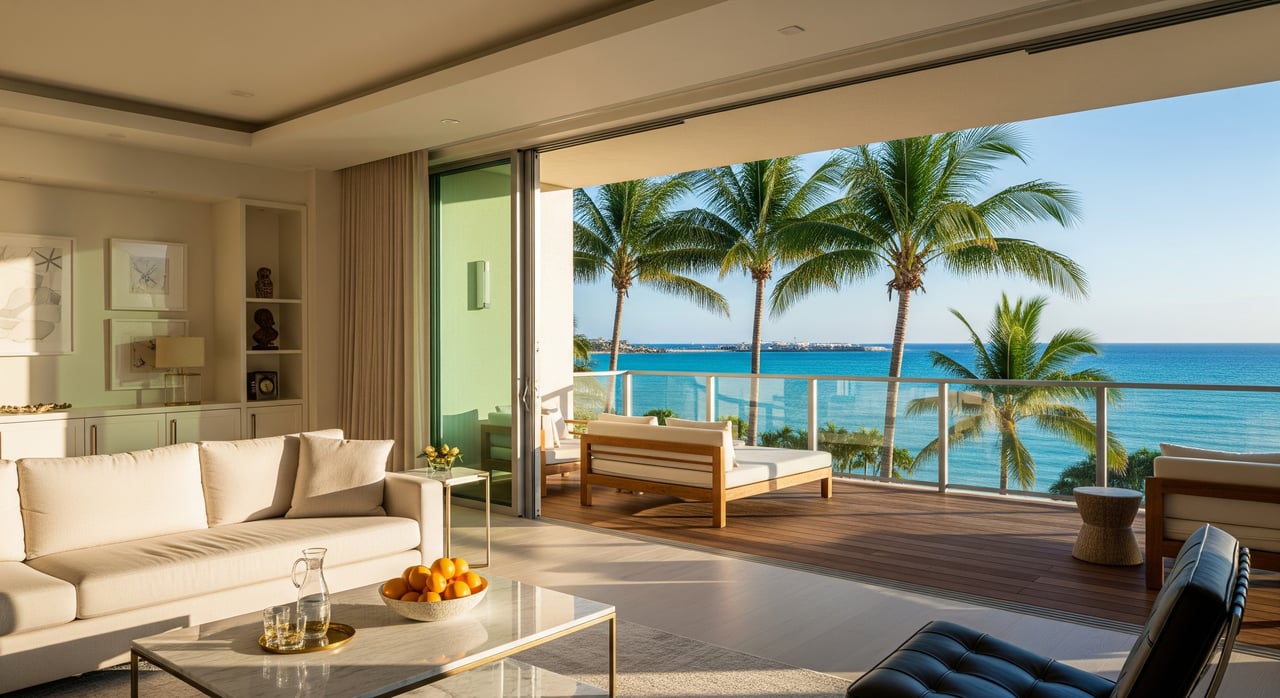
- Outdoor space with seating and a view, which can boost perceived value.
- Pet-friendly policies, when allowed by the association, to expand your renter pool.
Turn-key conveniences guests love
- Full linen sets with backups and a plan for cleaning and replacement.
- Housewares and small appliances like a toaster and blender.
- Beach gear such as chairs, an umbrella, towels, a cooler, and a cart.
- A local guidebook with grocery, pharmacy, dining, medical, and transit tips.
- A responsive contact for maintenance and emergencies, plus clear user guides for appliances and amenities.
Pricing and booking strategy
You want to balance occupancy with revenue. Seasonal renters plan earlier than vacationers, so set your calendar and policies well ahead of winter.
Offer the right mix of rates
- Publish monthly or seasonal rates for December through March to attract snowbirds.
- Offer weekly rates for holiday and shoulder periods if your association allows it.
- Align all minimum stays with association rules to avoid compliance issues.
Capture early bookings
Snowbirds often book months in advance, sometimes a year ahead. Offer early-bird incentives for multi-month or full-season agreements, and make your calendars public as soon as your association approves your terms.
Adjust to demand cycles
Use a simple seasonal calendar if you do not have pricing software. Increase rates during peak months, moderate during shoulder seasons, and adjust during summer. Package utilities, Wi‑Fi, and standard linens in the base price for monthly stays, then list any cleaning fees, association registration fees, and refundable deposits clearly.
Presentation and marketing that stand out
You do not need a complete remodel to elevate your condo, but you do need a clean, design-forward presentation that photographs well and reads clearly to out-of-town renters.
Furnishings and staging
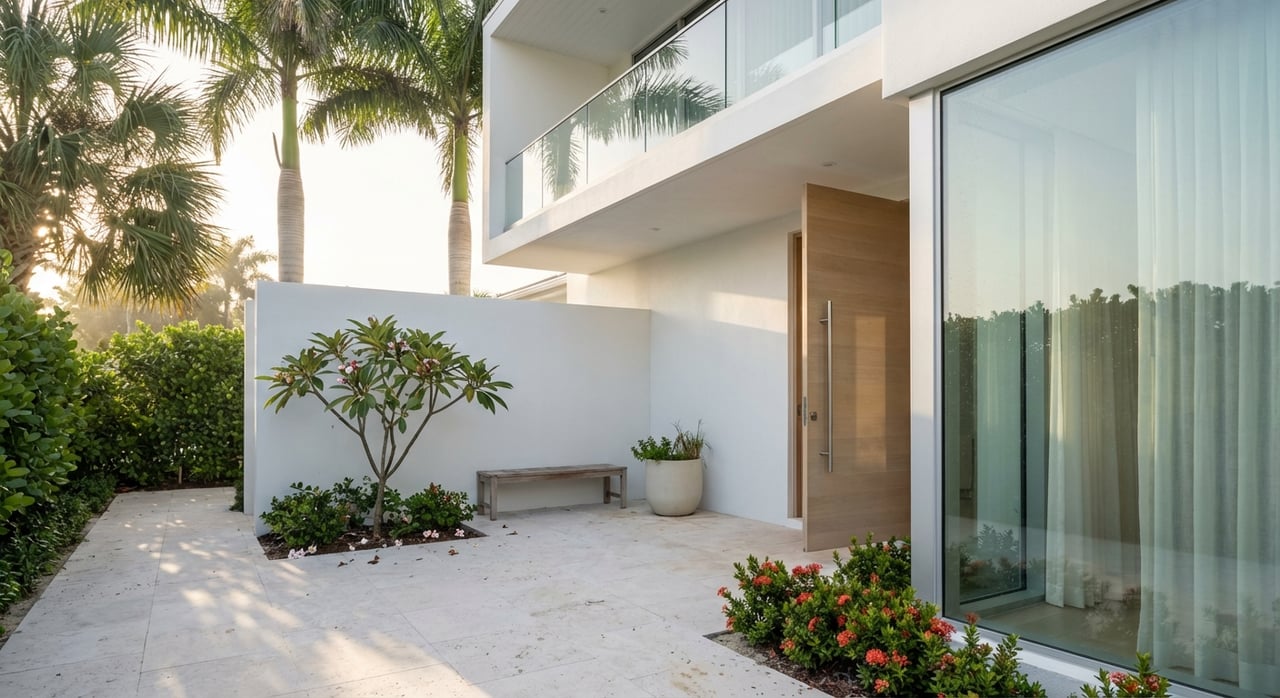
Aim for durable, comfortable furniture and easy-to-clean materials. Neutral color palettes with tasteful accents look inviting in photos. Prioritize the bed, dining area, and a cozy living space for reading or television. Include clear signage for building amenities and association rules so guests know what to expect.
Photography and listing content
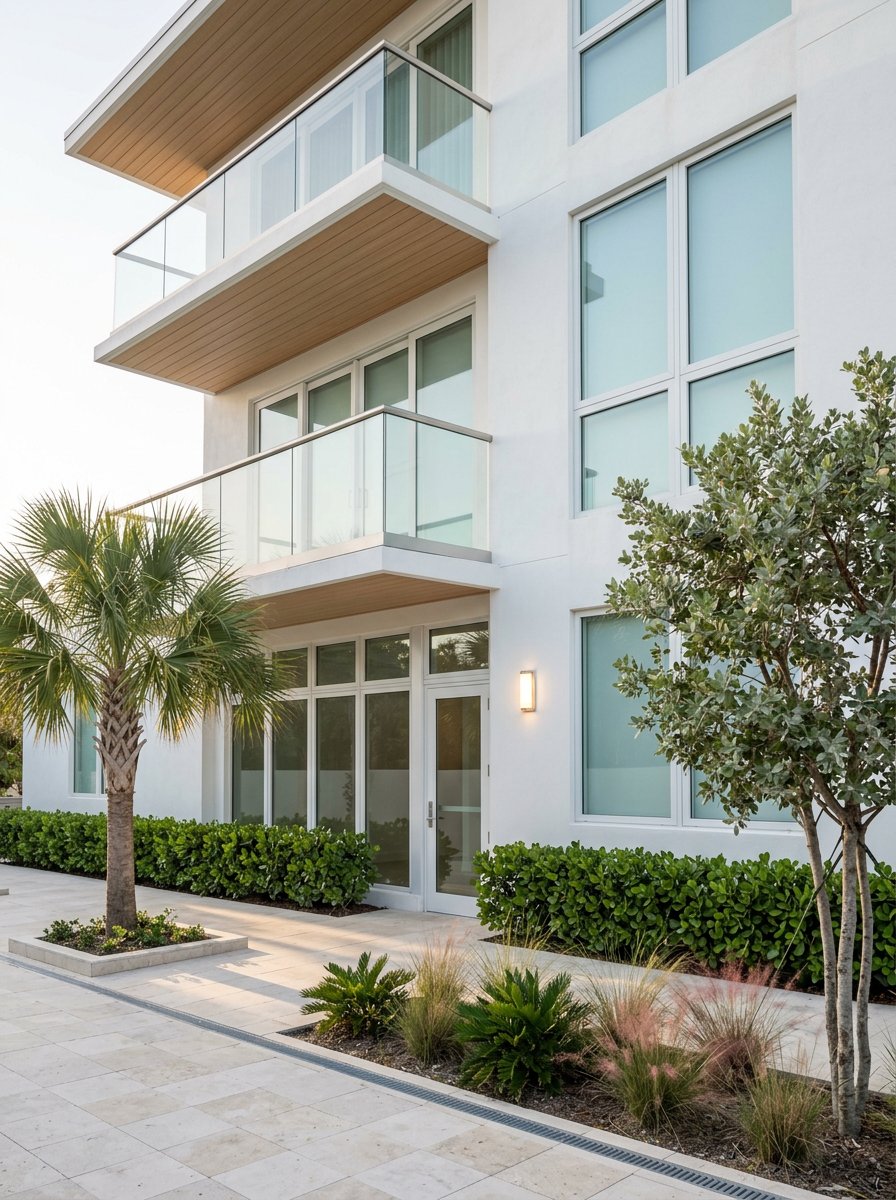
Invest in bright, high-resolution images. Include the living area, kitchen, bedrooms, bathrooms, balcony or view, building exterior, pool, beach access, and a simple floor plan or labeled layout. Write accurate descriptions with bed and bath counts, parking notes, elevator access, and any association rental rules or fees. Emphasize proximity to beaches, groceries, and regional transportation without guessing on exact distances.
Operations that keep reviews glowing
Smooth operations reduce questions, prevent after-hours emergencies, and protect your time.
Turnover and staffing
Weekly rentals require more frequent cleaning, laundry, and inventory checks. Monthly or seasonal stays reduce turnover but may benefit from optional mid-stay cleanings or linen refreshes. Keyless entry systems with self-check-in can simplify arrivals when paired with thorough pre-arrival instructions and secure code policies.
Maintenance and reserves
Seasonal rentals experience concentrated use. Budget for regular HVAC servicing, appliance checks, pest control, and periodic deep cleaning. Use durable linens and performance fabrics to reduce replacement costs. Hold back a reserve from seasonal income to fund off-season maintenance and any needed repairs.
Safety and documentation
Ensure smoke and carbon monoxide detectors are visible and functional. Provide emergency instructions, local emergency contacts, and clear house rules. Keep docs for association approvals, licensing, and insurance organized in a digital folder that you can share with your manager or cleaners.
Sample seasonal calendar
Use a simple planning framework for the year. Adjust based on your building rules and observed demand.
- Peak season: December through March. Prioritize multi-month bookings and premium monthly rates.
- Shoulder season: April, November. Offer flexible monthly or multi-week stays to bridge the gap.
- Low season: May through October. Consider discounted monthly rates, flexible terms if allowed, and targeted weekly bookings around holidays.
Quick start checklist
- Confirm association rules and get written approval for rental terms.
- Verify local registration, licensing, and tax requirements.
- Confirm insurance coverage for your rental type and length of stay.
- Outfit the unit with quality beds, a stocked kitchen, strong Wi‑Fi, and visible safety features.
- Add beach gear, spare linens, and a local guidebook.
- Set pricing for peak, shoulder, and low seasons, with clear fees and deposits.
- Hire cleaning, laundry, and maintenance support and set up keyless entry.
- Capture professional photos and publish a complete, accurate listing.
Work with a design-led local team
A well-presented condo rents faster to snowbirds and vacationers, and it brings better reviews and repeat bookings. If you want help aligning your association rules, pricing, and presentation with Boynton Beach demand, we can assist. Our team pairs design-forward staging and media-rich marketing with on-the-ground seasonal rental know-how across Palm Beach County.
Ready to build a seasonal plan for your condo? Connect with Lorna Wellington & Yvonne Skovron for a friendly, detailed walkthrough tailored to your building, goals, and timeline.
FAQs
What months have the highest seasonal demand in Boynton Beach?
- December through March are typically the peak months, with strong snowbird demand for multi-week or multi-month stays.
How far in advance should I list my condo for winter renters?
- Snowbirds often book months to a year ahead, so publish your calendar and rates in late summer or early fall to capture early demand.
Do condo associations in Palm Beach County allow short-term rentals?
- Policies vary widely by building. Many have minimum stay rules, guest registration, or limits on rentable units, so always verify the documents and get written approval.
Are weekly and monthly rentals taxed the same way in Florida?
- Tax treatment can differ based on length of stay and jurisdiction. Confirm state sales tax and local transient tax requirements before setting rates.
What unit features matter most to seasonal renters?
- Comfortable beds, a well-equipped kitchen, reliable Wi‑Fi, in-unit laundry, and quiet climate control are top priorities, with beach access and a heated pool adding value.
Should I target snowbirds or shorter vacation stays?
- It depends on your goals. Snowbirds offer steadier, lower-turnover occupancy, while weekly vacationers can bring higher nightly rates with more frequent turnovers.