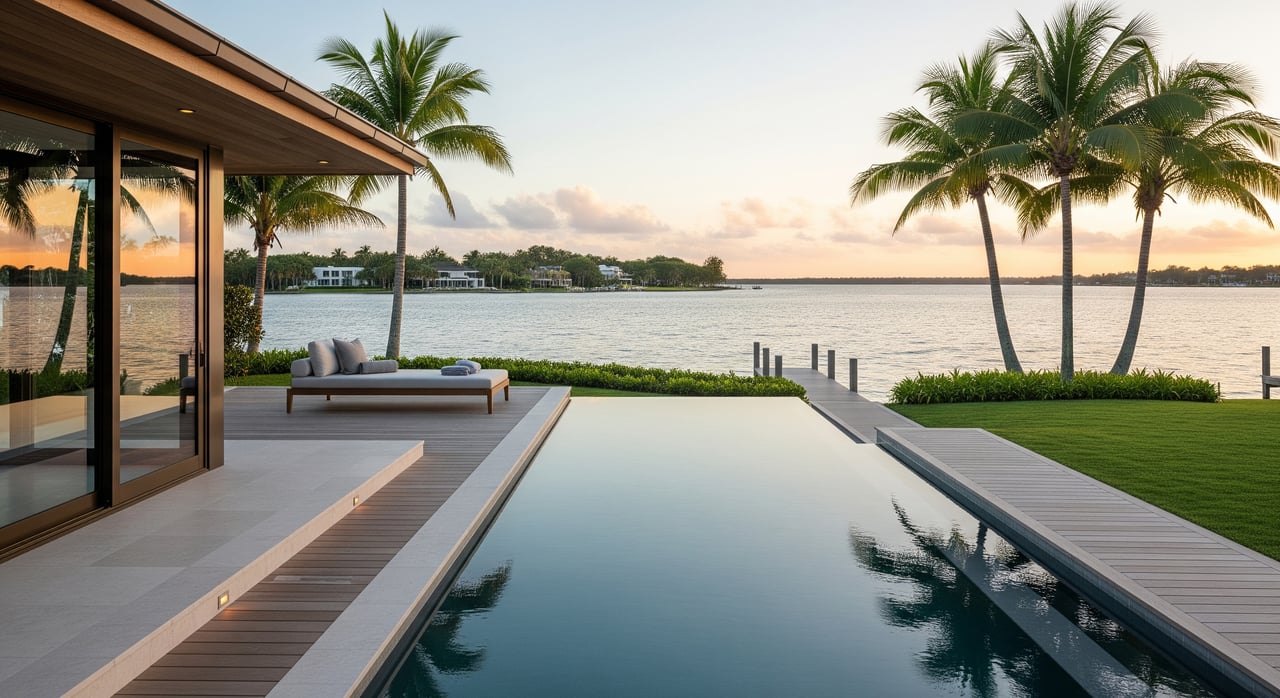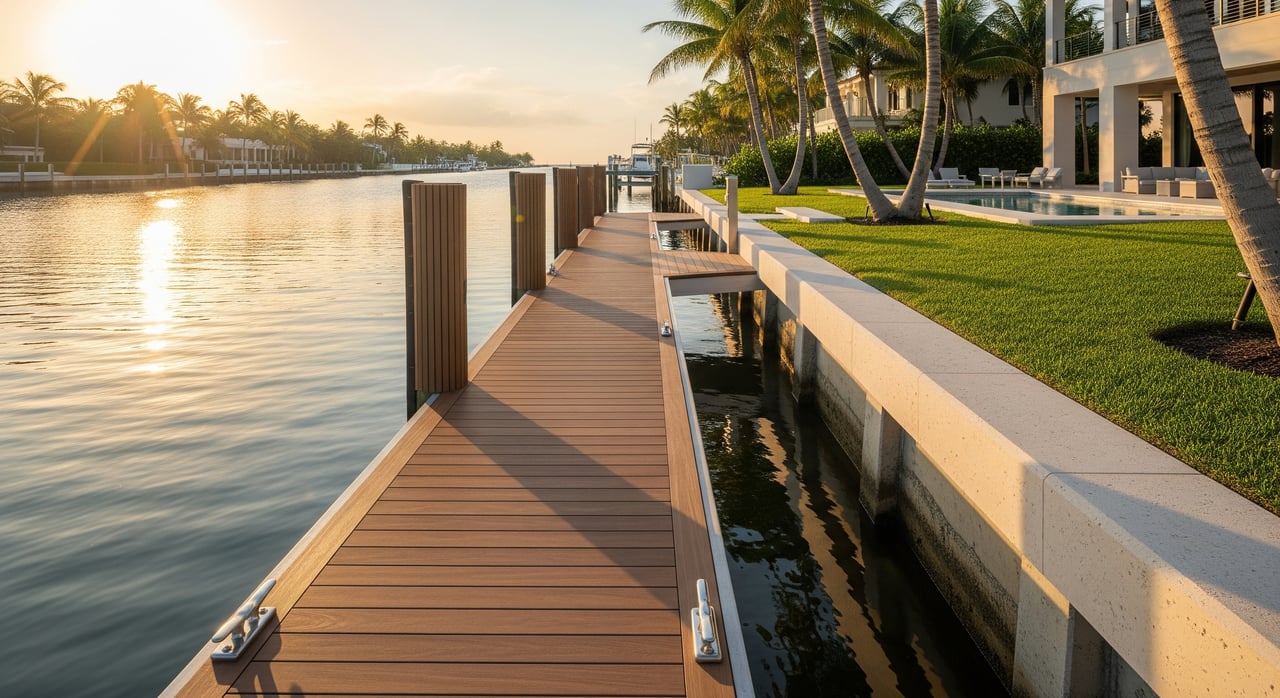
If you own or plan to buy waterfront in Manalapan, your seawall and dock are more than amenities. They are essential infrastructure that protect your land, your boat, and your peace of mind. Salt, sun, boat wake, and storm surge work around the clock here, so a clear care plan and an understanding of permits will save you time and money.
In this guide, you’ll learn how to inspect and maintain seawalls, docks, and lifts, what red flags to watch for, when permits are needed, and how to document everything to support a smooth sale. You’ll also get a simple seasonal checklist tailored to Manalapan’s coastal conditions. Let’s dive in.
Why seawall and dock care matter
Manalapan properties are exposed to Atlantic-driven weather and boat traffic. A well-maintained seawall can reduce flood vulnerability during storm surge, protect your yard from erosion, and help keep insurance and lending conversations straightforward. A safe dock and reliable lift also protect your boat and enhance everyday use.
Because local conditions vary by canal, lot shape, and exposure, professional evaluation is important. Staying proactive with inspections and documentation will also strengthen your position when you choose to sell.
Maintenance and inspection timeline
Below are typical industry intervals. Your site’s salinity, wake exposure, and age of construction will affect frequency. Keep a dated maintenance log and schedule professional help as needed.
Seawalls
- Visual inspection: at least once per year and after strong storms.
- Professional marine or structural engineer: every 3 to 7 years for older walls; every 5 to 10 years for newer walls. Increase frequency after major storms or on high-energy shorelines.
- Minor maintenance: seal small cracks, repoint caps, remove vegetation, and correct toe grading every 2 to 5 years as needed.
- Metal components and cathodic protection: inspect every 1 to 3 years; anodes often require multi-year replacement depending on conditions.
Docks and pilings
- Visual inspection: annually. Look for rot, corrosion, loose fasteners, and decking issues.
- Piles and underwater elements: diver or in-water inspection every 3 to 7 years, or sooner if damage is suspected.
- Decking and hardware: check every 1 to 3 years. Replace loose or galvanic-damaged fasteners and worn planks promptly.
- Floats: check each season and after storms. Replace degraded or waterlogged floatation as needed.
Boat lifts and electrical systems
- Mechanical service: annually by a qualified technician. Inspect cables, winches, motors, and limit switches.
- Electrical: annual inspection by a licensed electrician. Confirm GFCI protection, corrosion control, and Florida Building Code compliance.
- Cables and straps: inspect yearly. Replace at the first signs of wear, fraying, or corrosion.
Post-storm steps
- Prioritize safety. If power or structural damage is suspected, shut off dock power and avoid load on lifts.
- Photograph and date all damage and movement. Keep this with your maintenance log.
- Secure temporary fixes if needed. Notify local authorities promptly if emergency work may be required.
Warning signs and common failures
Spotting issues early can prevent costly failures and help you plan repairs with confidence.
Seawall distress indicators
- Scour and undermining: gaps at the toe, sinkholes behind the wall, or a leaning wall.
- Tieback or anchor failure: bulging or horizontal movement, cracking, or land-side settlement.
- Corrosion: rust and section loss on metal sheet piles or steel components, often near the waterline.
- Concrete deterioration: cracks, spalling, or exposed rebar that signal water intrusion and weakening.
- Overtopping erosion: scoured landward areas or saltwater intrusion in the yard after high water.
- Poor drainage: saturated backfill, seepage through joints, or hydrostatic pressure behind the wall.
Dock and pile issues
- Wood pile rot or marine borer damage: soft wood, reduced diameter below the waterline, and visible borer holes.
- Steel corrosion: pitting, holes, and a wobbly feel under load.
- Loose connections: shifting frames, rattling, or fastener corrosion.
- Float degradation: sagging dock or uneven deck from waterlogged foam or damaged floats.
- Scour at piles: exposed sediment and piles that lean or move when loaded.
Lift problems
- Cable fatigue: frayed cables and uneven lift travel.
- Motor and electrical failures: overheating, tripped breakers, or nonresponsive controls due to corrosion.
- Structural corrosion: rust perforation, bent members, or weld failures on frames and attachments.
Permits in Manalapan: what to expect
Waterfront work here can trigger local, county, state, and federal oversight depending on scope and location. Always contact the Town of Manalapan Building and Zoning office first, then confirm county, state, and federal requirements before starting work.
Key agencies involved typically include:
- Town of Manalapan building, engineering, and zoning for local permits and code.
- Palm Beach County permitting and environmental divisions for shoreline and environmental review.
- Florida Department of Environmental Protection for Coastal Construction Control Line and state environmental authorizations.
- U.S. Army Corps of Engineers for work in navigable waters or dredge and fill activities.
- South Florida Water Management District or county environmental resource departments for certain dredging, dewatering, or stormwater impacts.
Work that usually needs permits
- New or replacement piles and major dock reconstruction.
- Seawall replacement or repairs that change height, materials, or waterward face.
- New boat lifts or changes to lift footings or piles.
- Dredging or fill waterward of the seawall or near mean high water.
- Any expansion of dock footprint or addition of wet slips.
- Work within designated beach or CCCL areas.
Routine maintenance vs. repair vs. replacement
- Routine maintenance: small, nonstructural work that preserves existing conditions and does not alter footprint may be allowed without a full permit in some cases. Always confirm with authorities.
- Repairs: in-kind repairs that restore structural capacity without changing configuration may qualify for streamlined approvals, but many jurisdictions still require permit applications and inspections.
- Replacement: full seawall or dock replacement, new piles, or footprint or height changes typically require full review and permits at multiple levels.
Emergency repairs
Immediate stabilization after a storm is often allowed with rapid notification and later documentation. You must notify the local permitting authority as soon as practicable and apply for retroactive authorization if required.
How to start the process
- Contact the Town of Manalapan building and zoning office and Palm Beach County environmental or permitting offices to ask whether your scope requires a permit.
- If permits are needed, hire a qualified marine contractor and obtain stamped drawings from a licensed marine or structural engineer for structural work.
- Check for Florida Department of Environmental Protection and U.S. Army Corps of Engineers requirements, especially for dredging, new piles, or work seaward of mean high water or within CCCL areas.
- For emergency work, document damage with dated photos and notify authorities promptly.
Buyer and seller playbooks
Pre-listing moves for sellers
- Schedule a current professional inspection of the seawall and dock. Include a diver inspection of piles if needed.
- Remedy safety issues and clear deferred maintenance that could raise buyer objections, such as loose deck boards or minor electrical fixes.
- Compile a complete waterfront file with permits, plans, warranties, and photos. A concise one-page summary helps buyers and their lenders move faster.
- Disclose known defects and any unpermitted work in writing. Consult an attorney if the situation is complex.
Buyer due diligence
- Request the seller’s waterfront file and verify permits, as-builts, and closed inspections.
- Retain an independent marine engineer for a seawall review and an in-water pile inspection if concerns exist.
- Arrange a licensed electrical inspection for dock power and lift systems.
- Ask your insurer how seawall and dock condition could affect coverage and premiums.
- Learn local wake patterns and drainage behavior to anticipate maintenance.
Red flags that merit follow-up
- Significant leaning, bulging, or large vertical cracks in the seawall.
- Exposed or missing anchors or tiebacks, or visible voids behind the wall.
- Split, severely corroded, or chewed piles that move under load.
- Missing permits for major work on docks, lifts, or seawalls.
- Recurrent emergency repairs that suggest underlying design or installation problems.
- Seepage or landward sinkage indicating loss of backfill.
Documentation that builds confidence
A well-documented history increases buyer confidence and streamlines transactions. Assemble these items into a digital and paper waterfront file.
- Permits and approvals: copies of all local, county, state, and federal permits and closed inspections.
- As-builts and engineered plans: original construction drawings and any stamped repair or replacement plans.
- Contractor records: contracts, invoices, scope of work, license numbers, insurance, and completion certificates.
- Inspection reports: engineer evaluations, diver reports, and electrical inspection certificates.
- Warranties: manufacturer materials and contractor workmanship warranties, noting any transfer terms.
- Photos: clear before and after images of work with dates.
- Maintenance log: dated entries for routine care and services with provider contact information.
- Emergency records: damage photos, notifications, permits, and receipts.
- Lien releases: proof of payment and contractor lien waivers for major projects.
When presenting to buyers, create a one-page timeline of key events and keep contact information for past engineers or service providers handy. If any work occurred without required permits, disclose it and be prepared to discuss retroactive permitting.
Manalapan-specific considerations
- Storm and surge exposure: Seawall height and condition directly influence flood vulnerability. Proactive inspection and timely repairs are essential in hurricane season.
- Sea-level rise and shoreline change: Long-term planning for elevation or adaptive measures may be wise. Expect evolving local guidance on coastal resiliency.
- Site variability: Lot shapes, canal geometry, and adjacent structures influence wake and scour. A site-specific evaluation by a qualified professional is important.
Seasonal quick checklist
- Spring: Schedule lift service, inspect cables and limit switches, and tighten dock hardware.
- Early summer: Visual check of seawall and toe, seal small cracks, and clear vegetation. Review insurance and storm prep supplies.
- Peak season: After any tropical system, photograph conditions and note changes. Avoid load on suspect structures.
- Winter: Review maintenance log, plan any permitted work for the off-peak window, and schedule professional inspections if due.
A smart plan keeps your shoreline resilient and your transaction ready. Whether you are preparing to list or evaluating a purchase, clear records and proactive maintenance support strong value.
Ready to talk strategy for your Manalapan waterfront? We combine design-forward listing preparation with responsive representation to help you move confidently. Connect with Florida Lux Homes to Schedule a Free Consultation.
FAQs
How often should you inspect a Manalapan seawall?
- Perform a visual inspection at least once a year and after strong storms, and schedule a professional marine or structural engineer review every 3 to 10 years depending on age and exposure.
Do you need a permit to add a boat lift in Manalapan?
- Adding a new lift or changing lift footings or piles typically triggers permit review at the town and often county, and may require state or federal authorizations depending on location and scope.
What counts as routine dock maintenance versus repair?
- Routine maintenance preserves existing conditions without changing footprint or height, like replacing a few boards or fasteners. Structural repairs or any configuration changes generally require permits.
What documents should a seller provide for seawall and dock work?
- Include permits and closed inspections, as-builts and stamped plans, contractor contracts and warranties, inspection reports, dated photos, a maintenance log, emergency records, and lien releases.
What should you do after a hurricane damages your dock or seawall?
- Prioritize safety and power shutoff, document damage with dated photos, secure temporary measures, and notify local authorities promptly when emergency repairs may be needed.
Can seawall condition affect insurance or financing for a waterfront home?
- Yes. Lenders and insurers often require proof that major seawall or dock work was permitted and inspected, and they may consider current condition in underwriting and coverage decisions.